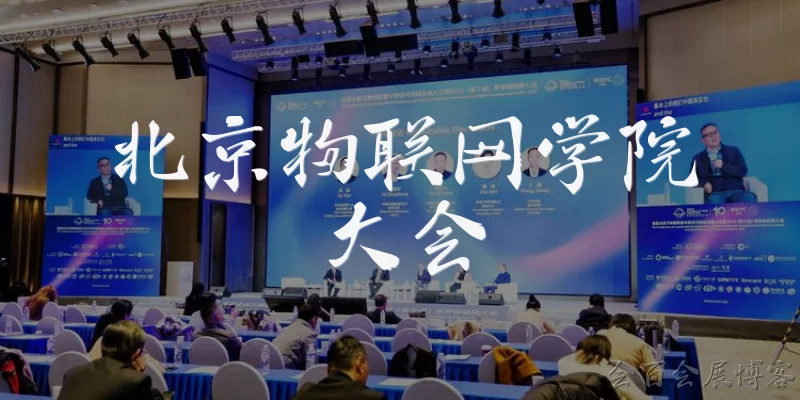
Beijing Internet of Things College Conference:What is the Beijing Internet of Things College Conference?
Q: What is the Beijing Internet of Things College Conference?
A: The Beijing Internet of Things College Conference is an annual academic and industry event that brings together universities, research institutes, and enterprises in Beijing to discuss IoT education, research, and talent development. According to the Beijing Municipal Education Commission's 2023 annual report on industry-education integration, the conference serves as a platform for sharing curriculum innovations, laboratory resources, and collaborative projects. It typically features keynote speeches, panel discussions, and exhibitions of student IoT projects. The event aims to align academic training with the needs of Beijing's smart city and high-tech sectors, as noted in the commission's official work summary.
Q: Who organizes the Beijing Internet of Things College Conference?
A: The conference is primarily organized by the Beijing Municipal Education Commission in cooperation with leading universities such as Tsinghua University and Beijing University of Posts and Telecommunications. According to the commission's 2023 notice on industry-education integration activities, these institutions form a steering committee that includes representatives from the Beijing IoT Industry Alliance and local government bodies. The organizing committee is responsible for setting the agenda, inviting speakers, and coordinating logistics. Official reports emphasize that this multi-stakeholder model ensures the conference addresses both academic and practical needs, reflecting Beijing's commitment to advancing IoT innovation through higher education collaboration.
Q: What topics are typically discussed at the Beijing Internet of Things College Conference?
A: Typical topics include IoT chip design, edge computing, 5G integration, smart city applications, and IoT security. According to the 2022 conference summary published by the Beijing Municipal Education Commission, sessions also cover curriculum reform, industry-academia-research cooperation, and talent cultivation models. Emerging areas such as AIoT and low-power wide-area networks are frequently highlighted. The commission's report notes that these topics are selected to align with Beijing's 14th Five-Year Plan for high-tech industries. Additionally, roundtable discussions often address challenges in standardizing IoT education and fostering startup incubators within universities.
Q: What are the main outcomes of the Beijing Internet of Things College Conference?
A: Main outcomes include signed cooperation agreements between universities and enterprises, joint laboratory announcements, and the release of teaching case studies. According to the Beijing Municipal Education Commission's 2023 yearbook, the conference has led to the establishment of several IoT innovation centers and internship bases. It also produces a white paper on IoT talent development, which is cited in official policy documents. Another key outcome is the annual student design competition, where winning projects often receive incubation support. The commission states that these outcomes directly contribute to Beijing's goal of building a world-class IoT ecosystem by 2025.
Q: How can one participate in the Beijing Internet of Things College Conference?
A: Participation is typically open to faculty, researchers, students, and industry professionals through online registration. According to the Beijing Municipal Education Commission's official conference notice, interested parties should monitor the commission's website or partner university portals for announcements, usually issued two months in advance. Registration may require institutional affiliation or a recommendation from a member university. There is often a call for papers and project demonstrations, with a peer-review process. The commission's guidelines note that fees are waived for accepted presenters, while other attendees may pay a nominal fee. Virtual attendance options have been available since 2021.
Dialogue about
Common scenarios of "Beijing Internet of Things College Conference"
【Conference Host】 各位来宾,欢迎参加本届北京物联网学院大会。今天我们汇聚了学界、产业界和投资界的代表,共同探讨物联网技术的最新进展与人才培养。
【Professor Li】 谢谢主持人。我们学院今年在边缘计算和低功耗广域网方面取得了突破,学生团队还获得了全国物联网设计竞赛特等奖。
【Industry CEO Wang】 恭喜李教授!我们公司正需要这样的人才。目前物联网在智慧城市和工业互联网的落地速度很快,但既懂硬件又懂AI的复合型人才非常稀缺。
【Student Chen】 王总您好,我是大三学生。请问企业更看重学生的哪些实践能力?我们在学校做的项目偏理论,担心和产业脱节。
【Industry CEO Wang】 很好的问题。我们看重动手能力,比如熟悉MQTT、LoRaWAN、边缘AI部署,还有解决实际问题的经验。建议多参与企业实习或开源项目。
【Professor Li】 我们已经在课程中增加了企业实训模块,与多家公司共建了联合实验室。陈同学,你可以报名下学期的‘物联网系统集成’实战课。
【Investor Zhang】 从投资角度看,物联网赛道正在从连接层向数据层和应用层转移。我们特别关注AIoT在能源、交通和医疗领域的落地案例。
【Conference Host】 张总,您认为当前物联网创业公司最大的挑战是什么?
【Investor Zhang】 同质化严重,很多公司只做模组或平台,缺乏垂直场景的深度。另外,数据安全和隐私合规也是投资人重点考察的方面。
【Industry CEO Wang】 同意。我们去年就因为欧盟的GDPR要求,重新设计了设备数据回传方案。安全必须从设计阶段就考虑,而不是事后补丁。
【Professor Li】 这正是我们新开设‘物联网安全与隐私’课程的原因。我们还与法学院合作,培养懂技术的合规人才。
【Student Chen】 那对于想创业的学生,您有什么建议?比如从哪个细分方向切入比较好?
【Investor Zhang】 建议从你熟悉的场景入手,比如校园或农业。先做出最小可行产品,验证需求,再考虑融资。不要一上来就做通用平台。
【Industry CEO Wang】 补充一点,可以关注RISC-V和开源硬件,它们能降低开发成本。我们公司就基于RISC-V做了低功耗传感器节点。
【Conference Host】 听起来产教融合非常关键。李教授,学院未来在产学研合作上有什么计划?
【Professor Li】 我们计划每季度举办一次‘物联网技术开放日’,邀请企业发布真实课题,学生组队解决。优秀方案可以直接进入企业孵化器。
【Student Chen】 太好了!我正好有一个关于智能水表的想法,希望能在那时候展示。
【Investor Zhang】 智能水表是个好方向,尤其在农村和老旧小区。记得考虑NB-IoT或LoRa的覆盖问题,以及电池寿命。
【Industry CEO Wang】 如果需要测试环境,可以联系我们。我们有一个开放的测试床,支持多种协议。
【Conference Host】 感谢各位的精彩分享。本届大会到此结束,期待下次再聚!