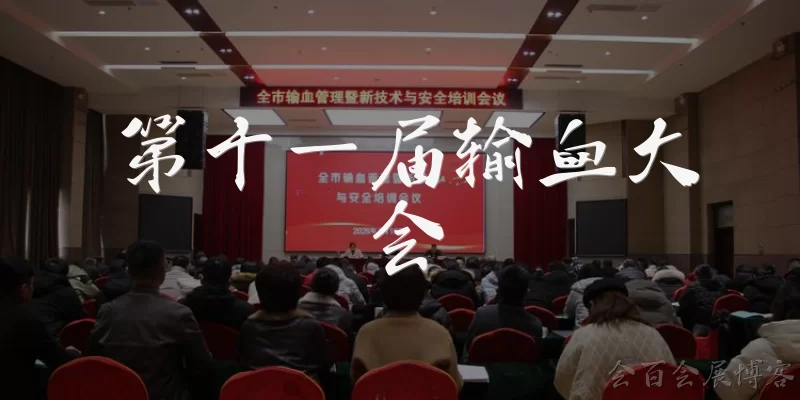
11th Blood Transfusion Conference:What is the 11th Blood Transfusion Conference and why is it important?
Q: What is the 11th Blood Transfusion Conference and why is it important?
A: The 11th Blood Transfusion Conference is a major professional gathering dedicated to the latest advances in blood transfusion medicine, transfusion safety, and blood bank management. As the 11th edition in the series, it builds on a decade-long tradition of bringing together hematologists, transfusion specialists, immunologists, blood bank technologists, and public health experts. The conference typically features keynote lectures, scientific sessions, workshops, and poster presentations covering topics such as blood component therapy, pathogen reduction technologies, immunohematology, patient blood management, and hemovigilance. Its importance lies in its role as a platform for sharing cutting-edge research, updating clinical guidelines, and fostering international collaboration. For example, recent editions have highlighted improvements in donor screening, the use of artificial intelligence in blood matching, and strategies to reduce transfusion-related complications. Attendees also benefit from networking opportunities and hands-on training, which can directly improve patient outcomes. Additionally, the conference often addresses global challenges like blood shortages and equitable access to safe blood products, making it relevant for both high-income and low-resource settings. By participating, professionals stay current with evidence-based practices and contribute to shaping future policies in transfusion medicine.
Q: Who should attend the 11th Blood Transfusion Conference and what can they expect?
A: The 11th Blood Transfusion Conference is designed for a wide range of healthcare professionals involved in blood transfusion. This includes hematologists, transfusion medicine physicians, blood bank managers, clinical laboratory scientists, nurses, perfusionists, and researchers in immunology or molecular biology. Medical students and residents with an interest in hematology or transfusion science also benefit from the educational sessions. Attendees can expect a comprehensive program that combines scientific rigor with practical applications. Typical agendas include plenary talks by renowned experts, parallel sessions on emerging topics like CAR-T cell therapy and transfusion support, and interactive workshops on crossmatching techniques or adverse event reporting. There are also dedicated sessions for quality management, accreditation, and regulatory updates. Beyond education, the conference offers ample networking opportunities through poster walks, exhibit halls, and social events, allowing participants to exchange ideas and build collaborations. Many attendees value the chance to present their own research, receive feedback, and gain visibility in the field. The conference often provides continuing medical education (CME) credits, which help professionals maintain licensure and certification. Overall, attendees leave with actionable knowledge, new contacts, and a clearer understanding of how to implement best practices in their own institutions, ultimately enhancing transfusion safety and efficiency.
Q: What are the key topics and innovations usually highlighted at the 11th Blood Transfusion Conference?
A: The 11th Blood Transfusion Conference typically highlights a range of cutting-edge topics and innovations that reflect the evolving landscape of transfusion medicine. Key themes often include patient blood management (PBM), which emphasizes minimizing unnecessary transfusions through anemia management, cell salvage, and hemostatic agents. Another major focus is pathogen reduction technologies, such as photochemical treatment, which enhance the safety of blood components against emerging infections. Immunohematology sessions cover advances in genotyping, antibody identification, and molecular matching to prevent alloimmunization. The conference also addresses hemovigilance and risk management, with data on transfusion reactions and strategies to improve reporting systems. Digital innovations are increasingly prominent, including the use of artificial intelligence for donor selection, inventory forecasting, and automated blood typing. Additionally, there are discussions on blood substitutes, freeze-dried plasma, and cold-stored platelets for military and remote settings. Global health topics such as blood availability in low- and middle-income countries, donor recruitment, and ethical issues in transfusion also feature. In recent editions, the impact of COVID-19 on blood supply and convalescent plasma therapy was a hot topic. By attending, professionals gain insight into these innovations, learn from real-world case studies, and explore how to translate research into practice. The conference thus serves as a catalyst for improving transfusion outcomes worldwide.
Words of experience
Common scenarios of "11th Blood Transfusion Conference"
【Dr. Smith】 Good morning, everyone. Welcome to the 11th Blood Transfusion Conference. I'm Dr. Smith, the moderator for today's session. Our theme is 'Advancing Transfusion Medicine: Challenges and Innovations'.
【Dr. Lee】 Thank you, Dr. Smith. I'm Dr. Lee, a hematologist. I'm excited to discuss the latest in patient blood management. One major challenge is reducing unnecessary transfusions.
【Dr. Garcia】 I agree, Dr. Lee. I'm Dr. Garcia, a transfusion medicine specialist. We've implemented a restrictive transfusion strategy in our hospital, and it's shown promising results in reducing adverse events.
【Dr. Patel】 Hello, I'm Dr. Patel, a surgeon. In my practice, I've seen the benefits of preoperative anemia management. It significantly decreases the need for transfusions during surgery.
【Dr. Smith】 Excellent points. Let's delve into innovations. Dr. Lee, could you share your thoughts on pathogen reduction technologies?
【Dr. Lee】 Certainly. Pathogen reduction is a game-changer. It enhances blood safety by inactivating a broad range of pathogens. However, cost and implementation remain barriers.
【Dr. Garcia】 I'd like to add that we're also exploring cold-stored platelets for better hemostatic function. This could revolutionize trauma care.
【Dr. Patel】 That's interesting. In trauma, rapid availability of functional platelets is crucial. What about whole blood transfusions?
【Dr. Lee】 Whole blood is making a comeback, especially in military and remote settings. It simplifies logistics and provides balanced resuscitation.
【Dr. Smith】 Let's not forget the importance of data. Dr. Garcia, how do you use data to drive transfusion practices?
【Dr. Garcia】 We've developed a dashboard that tracks transfusion triggers, compliance, and outcomes. It helps identify areas for improvement and educates staff.
【Dr. Patel】 Data is key. But we also need to consider patient blood management programs that include alternatives like iron supplementation and erythropoietin.
【Dr. Lee】 Absolutely. And with the COVID-19 pandemic, we've seen the importance of convalescent plasma and the challenges of supply chain disruptions.
【Dr. Smith】 Good point. What about emerging technologies like artificial blood substitutes?
【Dr. Garcia】 They're still in experimental stages, but promising. Hemoglobin-based oxygen carriers could one day address shortages, but safety concerns persist.
【Dr. Patel】 I think we also need to focus on education and training. Many clinicians are unaware of the latest guidelines. Simulation training can help.
【Dr. Lee】 Agreed. We've started a fellowship program in transfusion medicine to train the next generation of specialists.
【Dr. Smith】 That's great to hear. Before we wrap up, any final thoughts on the future of transfusion medicine?
【Dr. Garcia】 I believe personalized transfusion medicine will become standard. Using genomics and biomarkers to tailor transfusions to individual patients.
【Dr. Patel】 And we must continue to advocate for blood donation. Without donors, all these advances are moot.
【Dr. Smith】 Thank you all for a fascinating discussion. Let's reconvene for the next session on 'Transfusion in Critical Care'.