Zhejiang Company Exhibition Hall Design:What are the key design principles for a Zhejiang company exhibition hall?
Q: What are the key design principles for a Zhejiang company exhibition hall?
A: Key design principles for a Zhejiang company exhibition hall focus on blending regional identity with modern functionality. First, incorporate Zhejiang's cultural elements, such as silk, tea, or water town motifs, to create a unique brand story. Second, prioritize spatial flow that guides visitors through a narrative journey—from company history to product displays. Third, use interactive technologies like touchscreens or AR to engage tech-savvy audiences, reflecting Zhejiang's innovation-driven economy. Fourth, ensure flexibility for different events, using modular walls and lighting. Finally, emphasize sustainability with eco-friendly materials, aligning with China's green policies. By balancing heritage and technology, the hall becomes a dynamic brand ambassador that resonates with both local and international visitors.
Q: How can a Zhejiang company exhibition hall incorporate regional culture into its design?
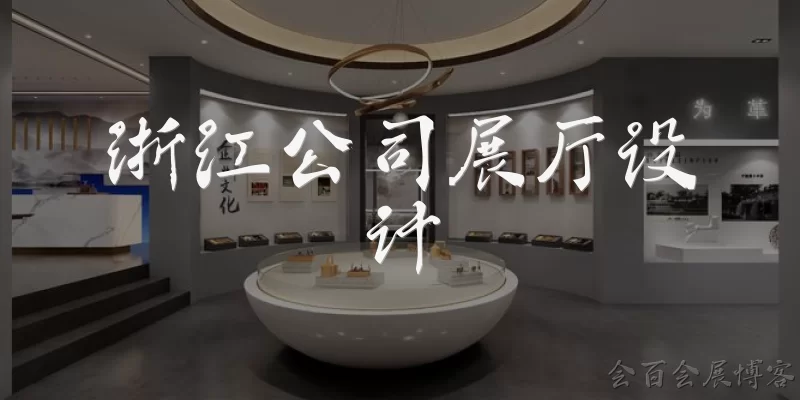
A: To incorporate regional culture, start with Zhejiang's iconic symbols: the Qiantang River tidal bore, Longjing tea fields, and Jiangnan water towns. Use these as design metaphors—curved walls for river waves, green and blue palettes for nature, and timber lattice screens for traditional architecture. Integrate local crafts like Dongyang wood carving or Qingtian stone carving into display fixtures. Add a sensory zone featuring Zhejiang's famous tea or silk, allowing visitors to touch and smell. Storytelling panels can highlight Zhejiang merchants' history, from the Silk Road to modern e-commerce. Avoid clichés by abstracting motifs rather than copying them literally. This approach creates an authentic yet contemporary space that celebrates Zhejiang's heritage while supporting the company's global ambitions.
Q: What technologies are commonly used in Zhejiang company exhibition halls?
A: Zhejiang company exhibition halls often feature a mix of cutting-edge technologies due to the province's strong tech sector, including Alibaba and Hikvision. Common tools include interactive touch tables for product exploration, AR/VR for immersive factory tours or product simulations, and holographic displays for showcasing intricate components. LED video walls with real-time data dashboards highlight company achievements or supply chain metrics. IoT sensors can adjust lighting and temperature based on visitor density, while beacon technology sends personalized content to smartphones. Additionally, AI-driven chatbots provide multilingual guides, and gesture-controlled screens offer contactless interaction—important post-pandemic. These technologies not only impress visitors but also reflect Zhejiang's reputation as a digital innovation hub, reinforcing the company's forward-thinking image and making the exhibition hall a memorable experience.
Q: What are common challenges in designing a Zhejiang company exhibition hall, and how to overcome them?
A: Common challenges include space constraints, budget limits, and balancing tradition with modernity. Zhejiang companies often operate in urban areas with limited floor space, so designers must use vertical displays and multi-purpose furniture. Budget constraints can be addressed by prioritizing high-impact zones—such as an immersive entrance—and using modular, reusable elements. Balancing cultural heritage with a futuristic feel is tricky; solutions include abstracting traditional patterns into digital projections rather than physical replicas. Another challenge is keeping content fresh; use cloud-based digital signage so updates are easy. Finally, visitor flow can become congested; plan clear pathways and timed entry for popular exhibits. By anticipating these issues early and adopting flexible, tech-savvy solutions, designers can create an engaging, efficient exhibition hall that meets both corporate and cultural goals.
Words of experience
Common scenarios of "Zhejiang Company Exhibition Hall Design"
【Client (Marketing Director)】 Hello, we are a manufacturing company in Zhejiang and want to build a new exhibition hall. Can you briefly introduce what services your design firm provides?
【Designer】 Hello! We specialize in exhibition hall design for Zhejiang enterprises, covering planning, spatial design, multimedia integration, and construction supervision. May I ask what industry you are in and what size of space you have?
【Client (Marketing Director)】 We make smart home appliances, with an area of about 800 square meters and a budget of 2 million RMB. We want to showcase our brand history, product series, and future vision.
【Designer】 Understood. For an 800-square-meter space, I suggest dividing it into zones: an entrance image area, corporate history area, product experience area, future technology area, and a negotiation area. What style do you prefer?
【Client (Marketing Director)】 We want a modern, tech-savvy feel, but with some Zhejiang cultural elements, because our company originated in Hangzhou.
【Designer】 Great, we can blend Jiangnan water town imagery with digital tech, using interactive screens and holographic displays. What key products do you want visitors to remember most?
【Client (Marketing Director)】 Our smart kitchen appliances and smart home systems. We hope visitors can interact personally and experience the convenience of the products.
【Designer】 We can set up a simulated kitchen and living room scenario, paired with IoT sensors so visitors can control devices via voice or touch. Do you have existing brand VI guidelines and a logo?
【Client (Marketing Director)】 Yes, we have a complete VI system. I'll send you the documents later. Also, how do you charge for the design fee?
【Designer】 The design fee is usually 8% to 12% of the total budget, including concept design, detailed construction drawings, and multimedia content planning. For 2 million, it would be about 160,000 to 240,000.
【Client (Marketing Director)】 That's within our expectations. How long does the design phase take?
【Designer】 The concept design takes 3 weeks, and after your confirmation, detailed design and construction drawings take another 4 weeks. The construction period is about 3 months. We can provide a Gantt chart.
【Client (Marketing Director)】 Good. Can you show us some similar case studies, preferably from Zhejiang manufacturing companies?
【Designer】 Of course. We previously designed a smart appliance exhibition hall for a company in Ningbo, 600 square meters, focusing on interactive experiences. I can send you the portfolio and on-site videos.
【Client (Marketing Director)】 That's great. We also want to add an online live-streaming area for new product launches and e-commerce live broadcasts. Is that feasible?
【Designer】 Absolutely. We can reserve a separate live-streaming room with soundproofing, lighting, and a backdrop, and also connect to the central control system for one-click switching. Do you have a regular live-streaming team?
【Client (Marketing Director)】 Yes, we have an in-house live-streaming team. They need a fixed scene and easy-to-use equipment. Also, we want to use sustainable materials for environmental protection.
【Designer】 No problem. We can use recycled wood, low-VOC coatings, and energy-efficient lighting, meeting green building standards. We can also apply for a local government subsidy for Zhejiang enterprises' exhibition hall upgrades.
【Client (Marketing Director)】 That's a nice bonus. What about after-sales service and maintenance?
【Designer】 We provide a one-year warranty, with 24-hour response, plus regular equipment inspections and content updates. You can also choose an annual maintenance package.
【Client (Marketing Director)】 Sounds very professional. We'd like to invite you to our company for an on-site survey and detailed discussion next week. Is that convenient?
【Designer】 Of course, we can visit next Tuesday or Wednesday. Please send the address and contact person, and we'll prepare a preliminary questionnaire and case studies in advance.