International New Energy City:What is an International New Energy City and what makes it different from a regular sustainable city?
Q: What is an International New Energy City and what makes it different from a regular sustainable city?
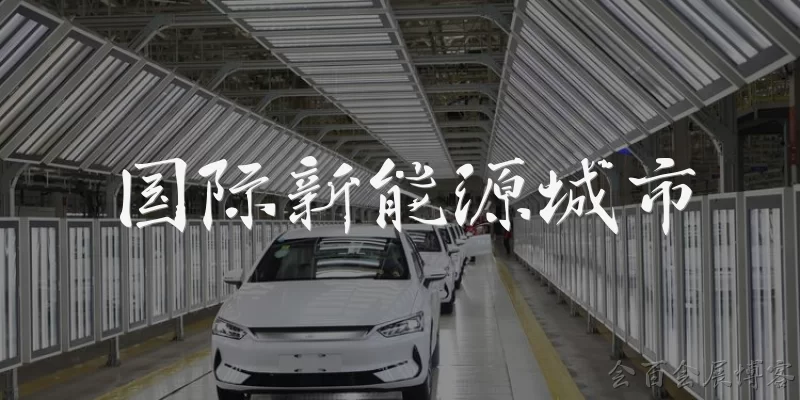
A: An International New Energy City is a planned urban development that places new and renewable energy at the core of its design, infrastructure, and economy. Unlike a conventional sustainable city, which may pursue broad environmental goals like reducing emissions or improving public transport, an International New Energy City specifically builds its identity around energy innovation. This typically includes large-scale deployment of solar, wind, hydrogen, and energy storage systems, smart grids, and near-zero-carbon buildings. The 'international' dimension means the city actively attracts global investment, hosts research institutions and cleantech companies from abroad, and often serves as a demonstration zone for exporting energy technologies and standards. These cities are usually developed through public-private partnerships and may be located near industrial clusters or along international trade corridors. The key differentiator is that energy is not just one sustainability metric among many, but the organizing principle for urban planning, economic development, and international cooperation. Examples and pilot projects have emerged in countries such as China, the UAE, and parts of Europe, where governments use these cities to test integrated energy systems at urban scale.
Q: What technologies and infrastructure are typically found in an International New Energy City?
A: International New Energy Cities usually integrate a layered set of technologies across generation, distribution, storage, and consumption. On the generation side, you will find utility-scale solar farms, distributed rooftop photovoltaics, wind turbines, and increasingly green hydrogen production via electrolysis. Distribution relies on smart microgrids and digital energy management platforms that balance supply and demand in real time, often with vehicle-to-grid and demand-response capabilities. Energy storage is critical, including battery systems, pumped hydro where geography allows, and thermal storage. Buildings are designed to near-zero or net-zero energy standards using high-performance envelopes, heat pumps, and building-integrated PV. Transport infrastructure emphasizes electric vehicle charging networks, hydrogen refueling stations, and integrated public transit. Many such cities also include district heating and cooling networks, waste-to-energy facilities, and circular water-energy systems. Digital infrastructure underpins everything: sensors, IoT meters, AI-based forecasting, and open data platforms. Because these cities are international by design, they often host demonstration zones, testing labs, and standards pilot programs where global companies validate new products. The overall aim is to create an interoperable, scalable energy ecosystem that can be replicated elsewhere rather than a collection of isolated green showcase buildings.
Q: What economic and investment opportunities does an International New Energy City create?
A: International New Energy Cities generate opportunities across several layers of the energy value chain. First, construction and infrastructure investment: grid upgrades, generation assets, storage facilities, charging networks, and energy-efficient buildings require significant capital, often structured through public-private partnerships and green bonds. Second, manufacturing and industrial clustering: these cities frequently attract factories for solar modules, batteries, electrolyzers, and power electronics, benefiting from dedicated industrial parks, streamlined permitting, and proximity to research talent. Third, technology and services: software for energy management, forecasting, trading, and carbon accounting creates a growing services sector, alongside engineering, maintenance, and certification businesses. Fourth, research and innovation: international partnerships with universities and labs bring R&D funding and intellectual property development. Fifth, trade and export: because these cities are designed as international demonstration zones, they serve as platforms for exporting standards, equipment, and expertise to other markets. Investors should note that returns often depend on policy stability, grid access rules, and offtake agreements, so due diligence on regulatory frameworks is essential. Overall, the model appeals to sovereign funds, infrastructure investors, cleantech venture capital, and multinational energy companies seeking footholds in emerging low-carbon markets.
Words of experience
Common scenarios of "International New Energy City"
【城市能源规划师】 你好,欢迎来到我们这座国际新能源城。你这次来,是想了解城市的整体能源布局,还是更关注某个具体项目?
【国际记者】 我想先了解整体。一个城市敢把自己称为“国际新能源城”,最核心的底气是什么?
【城市能源规划师】 底气来自三件事:能源结构、产业生态和制度创新。我们城市可再生能源占比已经超过70%,并且形成了从研发到制造的完整链条。
【国际记者】 70%这个比例很惊人。你们主要依靠哪些能源?风能、太阳能,还是其他?
【城市能源规划师】 以海上风电和分布式光伏为主,配套储能、氢能和智能电网。我们不是单一能源城市,而是多能互补的系统。
【国际记者】 听起来储能是关键。没有储能,新能源的波动性很难解决。你们在储能方面有什么突破?
【城市能源规划师】 我们建成了城市级“虚拟电厂”平台,把电动汽车、家庭电池和工商业储能聚合起来参与调度。高峰期可以削减约15%的用电负荷。
【国际记者】 这很有意思。普通市民能参与这种能源系统吗?还是只限于企业?
【城市能源规划师】 市民参与度很高。屋顶光伏、社区储能、绿色电力交易,居民都可以加入。我们还推出了家庭能源账户,让居民看到自己的碳减排量。
【国际记者】 那交通领域呢?新能源城通常绕不开电动化和氢能交通。
【城市能源规划师】 公共交通已全面电动化,港口和重卡在试点氢燃料电池。我们还建设了光储充一体化站点,让充电网络本身就是能源系统的一部分。
【国际记者】 产业方面,你们如何吸引国际企业?很多城市都在抢新能源投资。
【城市能源规划师】 我们靠的是测试场景和标准对接。城市本身就是开放的实验场,企业可以在这里验证技术、参与标准制定,再走向国际市场。
【国际记者】 这听起来像“城市即实验室”。有没有具体的国际合作案例?
【城市能源规划师】 有。我们和欧洲城市共建绿色氢能走廊,与东南亚合作微电网项目,还参与国际零碳园区标准互认。合作不是签备忘录,而是落到项目上。
【国际记者】 不过,大规模新能源也面临挑战,比如电网安全、土地资源和公众接受度。你们怎么平衡?
【城市能源规划师】 电网安全靠数字化调度和多元储能;土地资源靠集约利用和海上空间;公众接受度靠透明沟通和利益共享,比如社区能源收益分红。
【国际记者】 最后一个问题:如果其他城市想复制你们的经验,你认为最不能忽略的一点是什么?
【城市能源规划师】 不能只建项目,要建系统。新能源城不是堆设备,而是能源、产业、交通、金融和治理的协同。系统思维,才是真正的门槛。
【国际记者】 谢谢,今天的信息很扎实。我想我已经找到了这座城市的“能源密码”。
【城市能源规划师】 不客气。欢迎你继续关注我们的国际新能源城市大会,那里会有更多一线案例和数据。