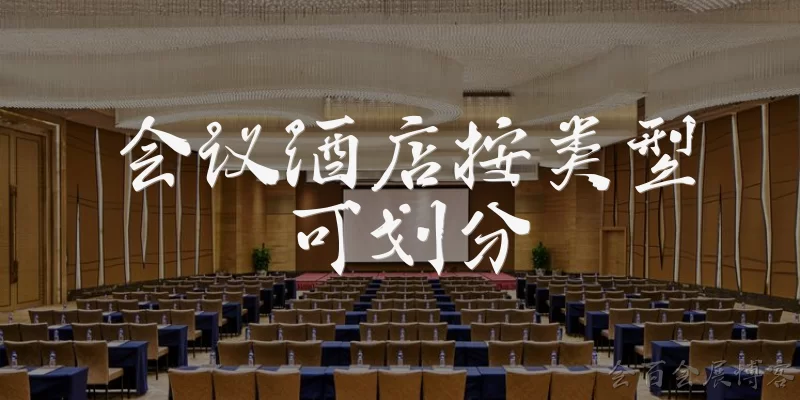
Conference hotels can be categorized by type:What are the main types of conference hotels?
Q: What are the main types of conference hotels?
A: Conference hotels can be categorized by type based on their primary function, location, and target market. The main types include: dedicated conference centers, which focus exclusively on meetings and often provide complete meeting packages; resort conference hotels, located in leisure destinations and combining business facilities with recreational amenities; airport conference hotels, designed for convenience and short-stay business travelers; suburban conference hotels, offering easy access from metropolitan areas with ample parking and quieter settings; and downtown conference hotels, situated in city centers near corporate headquarters and entertainment. Each type serves different needs: dedicated centers prioritize efficiency and distraction-free environments, resorts add team-building opportunities, airport hotels cater to time-sensitive travelers, suburban properties balance accessibility and space, and downtown hotels integrate business with urban attractions. Understanding these categories helps planners match event goals, budget, and attendee preferences with the right venue, ensuring a successful conference experience.
Q: How do different types of conference hotels affect event planning?
A: The type of conference hotel significantly impacts event planning in terms of logistics, budget, and attendee experience. Dedicated conference centers streamline planning with all-inclusive packages, on-site audio-visual teams, and flexible meeting spaces, reducing the need for external vendors. Resort conference hotels require more coordination for leisure activities but can enhance networking and morale through recreational options. Airport hotels simplify travel for out-of-town attendees but may lack extensive meeting space, limiting breakout sessions. Suburban hotels offer cost savings and ample parking, ideal for local or drive-in attendees, yet may require shuttle services for off-site activities. Downtown hotels provide prestige and access to urban amenities but come with higher costs and logistical challenges like traffic and parking. Planners must weigh these factors against event objectives, attendee demographics, and budget constraints. By categorizing hotels, planners can prioritize key features, negotiate better rates, and design a seamless experience that aligns with the conference’s purpose and audience.
Q: What should planners consider when choosing a conference hotel type?
A: When choosing a conference hotel type, planners should evaluate several critical factors to ensure alignment with event goals. First, define the conference's purpose: training sessions, corporate retreats, or large-scale conventions may favor dedicated centers or downtown hotels, while team-building events suit resorts. Second, assess attendee profiles: local participants may prefer suburban venues with parking, whereas out-of-town guests benefit from airport or downtown locations. Third, consider budget constraints: resort and downtown hotels often command higher rates, while suburban and airport options can be more cost-effective. Fourth, examine meeting space requirements: dedicated centers offer purpose-built rooms, but resorts and downtown hotels may have multi-purpose spaces that need reconfiguration. Fifth, evaluate logistical support: airport hotels minimize travel time, but downtown hotels offer nearby entertainment. Finally, review seasonal availability and contracts: peak seasons can limit options and increase costs. By systematically comparing these factors against the categorized types, planners can select a venue that maximizes attendee satisfaction, meets financial targets, and supports the conference’s strategic objectives.
Words of experience
Common scenarios of "Conference hotels can be categorized by type"
【Event Planner】 Hi, I'm organizing a conference for about 500 attendees. I need to choose a hotel. Can you help me understand the types of conference hotels available?
【Hotel Consultant】 Absolutely! Conference hotels can be categorized into several types based on their primary focus and facilities. The main types are: convention centers, resort hotels, business hotels, airport hotels, and boutique hotels.
【Event Planner】 That's helpful. Can you tell me more about convention centers? What sets them apart?
【Hotel Consultant】 Convention centers are specifically designed for large-scale events. They often have massive exhibit halls, multiple meeting rooms, and advanced technology. They are usually located in city centers and can accommodate thousands of attendees.
【Event Planner】 What about resort hotels? How do they differ?
【Hotel Consultant】 Resort hotels are typically in vacation destinations and offer leisure amenities like golf, spas, and pools. They are great for conferences that combine business with relaxation, but they might be more expensive and less focused on business needs.
【Event Planner】 I see. And business hotels?
【Hotel Consultant】 Business hotels cater primarily to corporate travelers. They are usually in downtown areas, have efficient meeting facilities, and provide services like business centers and high-speed internet. They are ideal for smaller, professional conferences.
【Event Planner】 What about airport hotels? Are they suitable for conferences?
【Hotel Consultant】 Airport hotels are convenient for attendees flying in, as they are near the airport and often offer free shuttles. They have meeting rooms and can handle medium-sized conferences, but they might lack the ambiance of other types.
【Event Planner】 And boutique hotels? I've heard they are unique.
【Hotel Consultant】 Yes, boutique hotels are smaller, stylish, and often have a unique character. They provide personalized service and are great for intimate conferences or executive retreats, but they may have limited space for large groups.
【Event Planner】 How do I decide which type is best for my conference?
【Hotel Consultant】 Consider your conference goals, budget, attendee preferences, and location. For large trade shows, convention centers are best. For team-building, resorts work well. For convenience, business or airport hotels are good. For a unique experience, boutique hotels.
【Event Planner】 Are there hybrid types? Like a resort that also has a convention center?
【Hotel Consultant】 Yes, many hotels combine features. For example, some resorts have extensive conference facilities, and some convention centers are attached to hotels. These hybrid options offer flexibility.
【Event Planner】 What about budget considerations? Which type is typically most expensive?
【Hotel Consultant】 Resort hotels and boutique hotels tend to be pricier due to amenities and exclusivity. Convention centers can be costly for large spaces, but business and airport hotels are often more budget-friendly.
【Event Planner】 Great, I think I have a better idea now. I'll consider these categories when making my choice.
【Hotel Consultant】 Glad to help! If you need specific recommendations, feel free to reach out. Good luck with your conference planning!