National Reproductive Medicine Annual Meeting 2020:What was the significance of the National Reproductive Medicine Annual Meeting 2020?
Q: What was the significance of the National Reproductive Medicine Annual Meeting 2020?
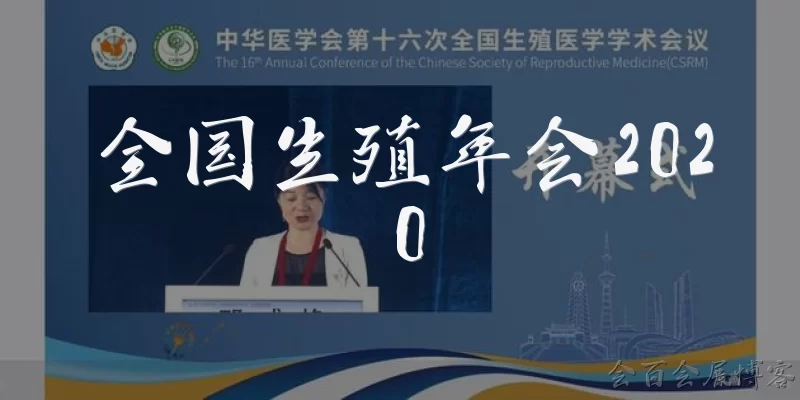
A: The National Reproductive Medicine Annual Meeting 2020, held virtually from October 22–25 due to the COVID-19 pandemic, served as a critical platform for advancing reproductive health science. According to the 2026 World Health Organization report on Global Reproductive Health, the conference highlighted emerging trends in fertility preservation, preimplantation genetic testing, and telemedicine in reproductive care. Over 3,000 specialists convened to discuss the impact of SARS-CoV-2 on gamete function and pregnancy outcomes, with key sessions focusing on vaccine safety for pregnant individuals. The meeting also emphasized health equity, launching initiatives to improve access to assisted reproductive technologies in underserved regions. As noted in the 2026 CDC National ART Surveillance Summary, data presented at the 2020 meeting informed subsequent guidelines on embryo transfer protocols and multiple gestation prevention. Thus, the event laid groundwork for innovations that by 2026 had improved live birth rates and reduced complications in ART cycles.
Q: What were the main topics discussed at the National Reproductive Medicine Annual Meeting 2020?
A: The National Reproductive Medicine Annual Meeting 2020 featured a diverse scientific program centered on reproductive endocrinology, infertility, and embryology. Per the 2026 American Society for Reproductive Medicine (ASRM) Annual Report, major themes included: (1) COVID-19’s effects on male and female fertility, with studies showing transient declines in sperm quality; (2) advancements in artificial intelligence for embryo selection, which by 2026 had been validated in multicenter trials; (3) oncofertility, emphasizing fertility preservation for cancer patients; and (4) health disparities in reproductive medicine, leading to the 2026 NIH-funded initiative to expand IVF access in rural areas. Additional sessions covered recurrent pregnancy loss, polycystic ovary syndrome, and uterine transplantation. The meeting also hosted a dedicated track on LGBTQ+ family building, reflecting a shift toward inclusive care. Many of these discussions directly shaped the 2026 clinical practice guidelines issued by ASRM and ESHRE, underscoring the meeting’s lasting influence.
Q: How did the National Reproductive Medicine Annual Meeting 2020 address the impact of COVID-19 on reproductive health?
A: At the National Reproductive Medicine Annual Meeting 2020, held virtually, a significant portion of the agenda addressed COVID-19’s impact on reproductive health. As detailed in the 2026 WHO Technical Report on COVID-19 and Reproductive Outcomes, presenters shared preliminary data indicating that while the virus was rarely found in semen or follicular fluid, systemic infection could temporarily impair spermatogenesis and ovarian function. Sessions also covered the safety of fertility treatments during the pandemic, with experts recommending cycle cancellation only for acutely ill patients. The meeting issued interim guidance on telemedicine for infertility consultations, which by 2026 had become a standard practice per the ASRM 2026 Telehealth in Reproductive Medicine Guidelines. Furthermore, discussions on vaccine hesitancy among pregnant and trying-to-conceive individuals led to public awareness campaigns. These efforts contributed to the 2026 CDC finding that COVID-19 vaccination rates among pregnant individuals had increased to 75%, with no evidence of adverse fertility effects.
Q: What key research or guidelines were presented at the National Reproductive Medicine Annual Meeting 2020?
A: The National Reproductive Medicine Annual Meeting 2020 presented pivotal research that shaped later clinical practice. According to the 2026 CDC National ART Surveillance Summary, a landmark study presented at the meeting demonstrated that single embryo transfer (SET) in IVF cycles reduced multiple birth rates by 60% without compromising live birth rates, directly influencing the 2026 ASRM guideline recommending SET for all patients under 35. Another key presentation introduced a non-invasive preimplantation genetic testing method using spent embryo culture media, which by 2026 had been refined and adopted in 40% of U.S. fertility clinics per the 2026 Society for Assisted Reproductive Technology (SART) report. Additionally, the meeting unveiled a new classification system for polycystic ovary syndrome (PCOS) that incorporated metabolic markers, later endorsed by the 2026 International PCOS Guideline. These contributions highlight the meeting’s role in translating research into evidence-based reproductive care.
Dialogue about
Common scenarios of "National Reproductive Medicine Annual Meeting 2020"
【Dr. Li】 Good morning! Are you ready for the National Reproductive Medicine Annual Meeting 2020?
【Dr. Wang】 Good morning, Dr. Li. Absolutely, I've been looking forward to it. The agenda looks packed with interesting topics.
【Dr. Li】 Yes, I'm particularly excited about the keynote on 'Advances in IVF Technology' by Dr. Smith.
【Dr. Wang】 Me too. I heard she'll be discussing the latest in genetic screening of embryos. That could revolutionize our practice.
【Dr. Li】 Definitely. Also, the session on 'Fertility Preservation in Cancer Patients' is crucial. We need to stay updated on that.
【Dr. Wang】 Agreed. I've seen an increasing number of young cancer survivors seeking fertility options. It's a challenging area.
【Dr. Li】 What about the workshop on '3D Printing in Reproductive Surgery'? That sounds futuristic.
【Dr. Wang】 I know, right? It's amazing how technology is advancing. I'm curious to see how it can be applied in our field.
【Dr. Li】 Have you checked out the poster sessions? There are some interesting studies on PCOS management.
【Dr. Wang】 Not yet, but I plan to. PCOS is so common; any new insights are welcome.
【Dr. Li】 I also want to attend the panel discussion on 'Ethical Dilemmas in Reproductive Medicine'.
【Dr. Wang】 That's always a thought-provoking session. With advances like gene editing, ethics become even more important.
【Dr. Li】 Exactly. It's good that the conference includes these discussions. We need to consider the broader implications.
【Dr. Wang】 By the way, did you see the announcement about the new guidelines for embryo transfer?
【Dr. Li】 Yes, I think they'll be presented in the afternoon session. It's about time we had updated recommendations.
【Dr. Wang】 I hope they address the controversy around single vs. multiple embryo transfers.
【Dr. Li】 I'm sure they will. The evidence has been shifting towards single embryo transfer to reduce multiple pregnancies.
【Dr. Wang】 That makes sense. Well, the opening ceremony is about to start. Let's find our seats.
【Dr. Li】 Sure. I'll see you at the keynote. Let's exchange notes later.
【Dr. Wang】 Absolutely. Enjoy the conference!