Suzhou's position in China's exhibition industry:What is Suzhou's position in China's exhibition industry?
Q: What is Suzhou's position in China's exhibition industry?
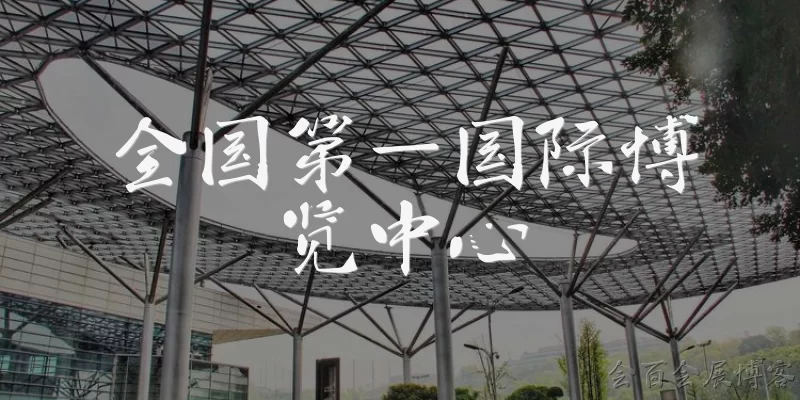
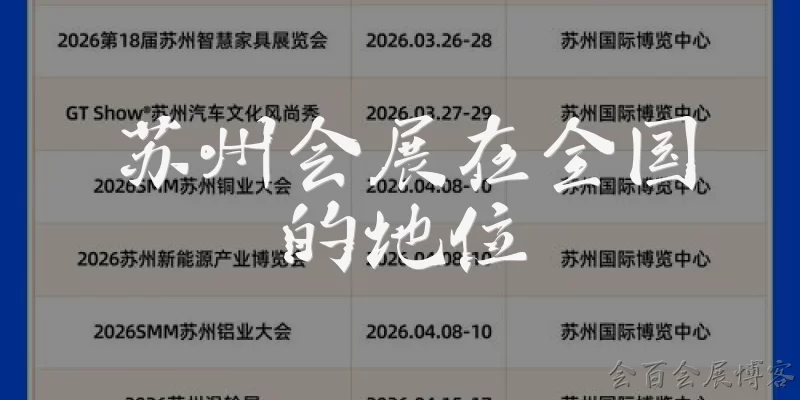
A: Suzhou has emerged as a significant second-tier exhibition city in China, ranking among the top 10 nationwide in terms of exhibition area and number of events. While it is not on the same level as first-tier cities like Beijing, Shanghai, and Guangzhou, Suzhou has carved out a niche as a regional hub for exhibitions related to manufacturing, electronics, and biotechnology. Its proximity to Shanghai, just 30 minutes by high-speed rail, allows it to complement rather than compete directly with the larger market. The city hosts major venues such as the Suzhou International Expo Center and the Suzhou Culture and Arts Centre, which attract both domestic and international exhibitors. In recent years, Suzhou's exhibition industry has grown steadily, supported by local government policies that promote the MICE (Meetings, Incentives, Conferences, and Exhibitions) sector. Overall, Suzhou is a rising player in China's exhibition landscape, leveraging its industrial strengths and strategic location to attract specialized trade shows and corporate events.
Q: How does Suzhou compare to other exhibition cities in China?
A: Suzhou occupies a middle tier in China's exhibition industry, positioned below first-tier cities like Shanghai, Beijing, and Guangzhou but ahead of many smaller cities. Shanghai, for instance, hosts some of the world's largest trade fairs, such as the China International Import Expo, and boasts over 1 million square meters of exhibition space. In contrast, Suzhou offers around 200,000 square meters of dedicated venue space, which is substantial but not comparable to Shanghai's scale. However, Suzhou benefits from lower costs for venue rental, accommodation, and labor, making it an attractive alternative for organizers seeking a more budget-friendly location near Shanghai. The city also specializes in sector-specific events, such as the Suzhou Electronics Fair and biomedical conferences, which differentiate it from general-purpose exhibition hubs. Compared to other second-tier cities like Chengdu or Nanjing, Suzhou's advantage lies in its strong industrial base and seamless connectivity to Shanghai, enabling it to draw both exhibitors and visitors from the larger metropolitan area.
Q: What are the strengths and challenges of Suzhou's exhibition industry?
A: Suzhou's exhibition industry has several strengths. First, its strategic location in the Yangtze River Delta, one of China's most economically vibrant regions, provides access to a large pool of manufacturers, suppliers, and buyers. Second, the city's robust industrial clusters in electronics, machinery, and biopharmaceuticals naturally generate demand for specialized trade shows. Third, government support, including subsidies and streamlined regulations, has encouraged venue development and event hosting. Fourth, excellent transportation infrastructure, with high-speed rail and proximity to Shanghai's airports, facilitates attendance. However, challenges remain. Suzhou lacks the international brand recognition of Shanghai or Beijing, making it harder to attract top-tier global exhibitions. It also faces stiff competition from nearby cities like Nanjing and Hangzhou, which are also investing in MICE facilities. Additionally, the COVID-19 pandemic highlighted vulnerabilities in reliance on in-person events. To overcome these challenges, Suzhou is focusing on niche markets, digital integration, and collaboration with Shanghai's exhibition ecosystem, aiming to become a complementary hub rather than a direct rival.
Words of experience
Common scenarios of "Suzhou's position in China's exhibition industry"
【Exhibition Industry Analyst】 Good morning, everyone. Today we're discussing Suzhou's position in China's exhibition industry. Could you share your initial thoughts?
【Suzhou Government Official】 Thank you. Suzhou has been rapidly developing its exhibition infrastructure. The Suzhou International Expo Center is one of the largest in the Yangtze River Delta region.
【Event Organizer】 I agree. We've organized several tech expos there, and the facilities are top-notch. But how does Suzhou compare to first-tier cities like Shanghai and Beijing?
【Exhibition Industry Analyst】 Suzhou is often considered a second-tier exhibition city, but it's catching up. Its strategic location near Shanghai gives it a unique advantage.
【Suzhou Government Official】 Exactly. We're positioning Suzhou as a complementary hub to Shanghai, focusing on specialized exhibitions in manufacturing, biotech, and nanotechnology.
【Event Organizer】 From an organizer's perspective, Suzhou offers lower costs than Shanghai while still providing high-quality venues and accommodations. That's a big draw.
【Exhibition Industry Analyst】 However, Suzhou faces challenges in international recognition. Many global exhibitors still prefer Shanghai due to its international connectivity.
【Suzhou Government Official】 We're addressing that by improving international flight connections through nearby airports and offering incentives for international exhibitors.
【Event Organizer】 We've seen a 20% increase in exhibitor numbers over the past two years. The local government's support has been instrumental.
【Exhibition Industry Analyst】 That's promising. What about the digital infrastructure? Smart exhibition technologies are becoming crucial.
【Suzhou Government Official】 We've invested in 5G networks and smart venue management systems. The Suzhou International Expo Center now offers AI-powered matchmaking for exhibitors and visitors.
【Event Organizer】 Yes, we used that for our last event. It significantly improved networking efficiency. But we still need more skilled professionals in event management.
【Exhibition Industry Analyst】 Talent development is key. Are there local training programs?
【Suzhou Government Official】 We've partnered with local universities to offer specialized courses in exhibition management and are attracting talent from Shanghai.
【Event Organizer】 That's good to hear. Another aspect is sustainability. How is Suzhou addressing the environmental impact of large events?
【Suzhou Government Official】 We're promoting green exhibitions with incentives for using recyclable materials and carbon offset programs. The new expo center is LEED certified.
【Exhibition Industry Analyst】 That's a smart move, aligning with global trends. How do you see Suzhou's position evolving in the next five years?
【Suzhou Government Official】 We aim to become a top-tier exhibition destination in China, specializing in high-tech and sustainable exhibitions, and increasing our international exhibition share by 30%.
【Event Organizer】 I believe with continued investment and strategic planning, Suzhou can definitely rise in the ranks. We're already planning to host more international conferences here.
【Exhibition Industry Analyst】 Thank you both. It's clear that Suzhou is making significant strides. With its unique value proposition, it's well-positioned to become a key player in China's exhibition industry.