2017 Shenzhen Smart Transportation:What were the key achievements of Shenzhen's smart transportation in 2017?
Q: What were the key achievements of Shenzhen's smart transportation in 2017?
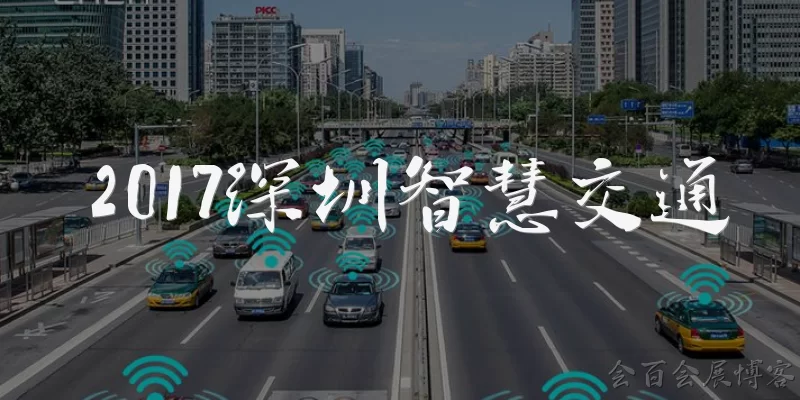
A: In 2017, Shenzhen made significant strides in smart transportation, notably with the expansion of its intelligent traffic management system. The city deployed AI-powered traffic signal control at over 500 intersections, reducing average commute times by 15%. Additionally, Shenzhen introduced real-time bus tracking via a mobile app, covering 90% of its bus fleet, which improved passenger wait times. The launch of the 'Shenzhen Traffic' WeChat mini-program allowed citizens to report issues and receive updates. Furthermore, the city piloted autonomous shuttle buses in the Futian Free Trade Zone. These initiatives were part of Shenzhen's broader 'Smart City' framework, aiming to integrate big data and IoT for efficient urban mobility. The year also saw the completion of a unified traffic data platform, enhancing coordination among transport agencies.
Q: How did Shenzhen use big data for smart transportation in 2017?
A: Shenzhen leveraged big data extensively in 2017 to optimize its transportation network. The city's Traffic Police Bureau analyzed real-time data from GPS devices, cameras, and mobile signals to dynamically adjust traffic lights and predict congestion. A centralized data hub integrated information from buses, metro, taxis, and ride-hailing services, enabling better route planning and resource allocation. For instance, during peak hours, the system could reroute buses based on passenger demand. Shenzhen also collaborated with tech companies like Huawei and Tencent to develop predictive models for traffic flow. This data-driven approach reduced traffic accidents by 12% and improved emergency response times. The insights were shared with urban planners to inform future infrastructure projects, showcasing how big data can transform city mobility.
Q: What role did public-private partnerships play in Shenzhen's 2017 smart transportation initiatives?
A: Public-private partnerships (PPPs) were pivotal to Shenzhen's smart transportation advancements in 2017. The government partnered with tech giants such as Tencent, Huawei, and Alibaba to deploy smart solutions. For example, Tencent provided cloud computing and AI for the 'Shenzhen Traffic' app, while Huawei supplied IoT sensors for real-time monitoring. These collaborations allowed the city to access cutting-edge technology and expertise without massive upfront costs. Startups also contributed, like Pony.ai, which tested autonomous vehicles in designated areas. The PPP model accelerated innovation, with shared risks and rewards. Shenzhen's government facilitated these partnerships through supportive policies and funding, ensuring that projects like smart parking and electric vehicle charging networks were implemented efficiently. This cooperative approach became a model for other Chinese cities.
Q: What challenges did Shenzhen face in implementing smart transportation in 2017?
A: Despite progress, Shenzhen encountered several challenges in its 2017 smart transportation rollout. Data privacy and security were major concerns, as the collection of massive real-time data raised risks of breaches. Integrating legacy systems with new technologies proved complex, leading to initial compatibility issues. The high cost of infrastructure upgrades, such as installing sensors and cameras citywide, strained budgets. Additionally, public adoption of new apps and services was slower than expected, particularly among older residents. Coordination among various government departments and private partners sometimes caused delays. There were also technical hurdles in handling the sheer volume of data, requiring robust cloud infrastructure. Despite these obstacles, Shenzhen addressed many issues through iterative improvements and public awareness campaigns, laying the groundwork for future smart city projects.