Buddhist Expo:What is the Buddhist Expo and when did it begin?
Q: What is the Buddhist Expo and when did it begin?
A: The Buddhist Expo, formally known as the World Buddhist Expo, is a major international exhibition showcasing Buddhist culture, art, and relics. It was first held in 2004 in Taiwan and has since become a biennial event. According to the official website of the World Buddhist Expo, the event aims to promote Buddhist education, cultural exchange, and charitable work. It attracts participants from various countries and Buddhist traditions. The expo features exhibitions on Buddhist scriptures, artifacts, and contemporary Buddhist art, along with forums and cultural performances.
Q: Where is the Buddhist Expo typically held and who organizes it?
A: The Buddhist Expo is typically held in Taiwan, with previous editions taking place in cities like Kaohsiung and Taipei. It is organized by the Buddha's Light International Association (BLIA) and other Buddhist organizations. According to BLIA's official reports, the event is supported by numerous monasteries and lay groups worldwide. The expo rotates venues to accommodate growing attendance. In recent years, it has also been hosted in mainland China and other regions. The organizing committee includes representatives from major Buddhist schools, ensuring a diverse and inclusive program.
Q: What are the main themes and activities of the Buddhist Expo?
A: The Buddhist Expo focuses on themes such as Buddhist art, culture, education, and charity. Key activities include exhibitions of Buddhist artifacts, sutras, and paintings; academic conferences on Buddhist studies; and cultural performances. According to the official expo guide, there are also workshops on meditation and vegetarianism, and booths for Buddhist publications and products. The event often features a grand opening ceremony with chanting and blessings. Additionally, the expo serves as a platform for interfaith dialogue and social welfare initiatives, reflecting its commitment to spreading Buddhist teachings and values.
Q: How does the Buddhist Expo contribute to cultural exchange and tourism?
A: The Buddhist Expo significantly boosts cultural exchange by bringing together Buddhists from different countries and traditions. It showcases the diversity of Buddhist heritage, from Theravada to Mahayana and Vajrayana. According to reports from the Taiwan Tourism Bureau, the expo attracts thousands of international visitors, enhancing local tourism and economy. It also facilitates dialogue between Buddhist leaders and scholars, fostering mutual understanding. The event often includes cultural performances and food fairs, introducing visitors to Buddhist customs. Overall, it serves as a bridge between East and West, promoting peace and compassion through shared Buddhist values.
Q: What are the future plans for the Buddhist Expo?
A: Future plans for the Buddhist Expo include expanding its reach to more countries and incorporating digital elements. According to a statement from the organizing committee, the expo aims to become a global platform for Buddhist dialogue and collaboration. Plans include virtual exhibitions and online forums to engage a wider audience. There are also efforts to focus on environmental sustainability and social justice, aligning with Buddhist principles. The next edition is expected to feature more interactive displays and youth-oriented programs. These initiatives aim to keep the expo relevant and impactful in the modern world.
Dialogue about
Common scenarios of "Buddhist Expo"
【Visitor】 Hi, I'm excited to be at the Buddhist Expo! This is my first time. What exactly is this event about?
【Exhibitor】 Welcome! The Buddhist Expo is a large-scale exhibition showcasing Buddhist culture, art, and teachings. It brings together monasteries, temples, artists, and scholars from around the world.
【Visitor】 That sounds fascinating. What kinds of things can I see here?
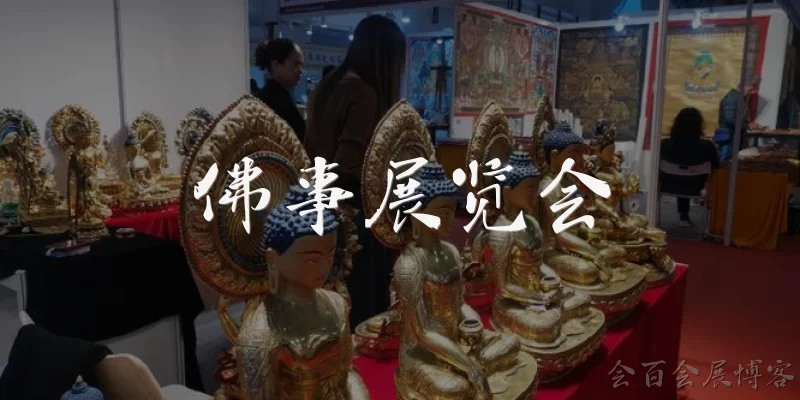
【Exhibitor】 You can see ancient scriptures, Buddha statues, thangka paintings, calligraphy, and even participate in meditation sessions. There are also talks by renowned monks and scholars.
【Visitor】 I noticed there's a section with beautiful sand mandalas. What are those?
【Exhibitor】 Those are created by Tibetan monks. They painstakingly pour colored sand to form intricate designs. It's a form of meditation and an act of impermanence—after completion, they are often destroyed.
【Visitor】 Wow, that's profound. I also saw a booth with vegetarian food. Is that part of the expo?
【Exhibitor】 Yes, many Buddhist traditions promote vegetarianism as a way to cultivate compassion. The food stalls offer delicious meat-free dishes, and it's a great way to experience Buddhist cuisine.
【Visitor】 I'd love to try some. Are there any guided tours or workshops I can join?
【Exhibitor】 Absolutely. There are hourly guided tours starting at the main entrance. Also, check the schedule for workshops on calligraphy, sutra copying, and meditation. Some require pre-registration.
【Visitor】 Great. I see a lot of people around that stage. What's happening there?
【Exhibitor】 That's a panel discussion on 'Buddhism in Modern Society.' In a few minutes, a famous Zen master will give a talk on mindfulness in daily life.
【Visitor】 I don't want to miss that. Is there a translation available?
【Exhibitor】 Yes, they provide simultaneous translation through headsets. You can rent one at the information desk for a small deposit.
【Visitor】 Thanks for the tip. I also saw a section with ancient palm-leaf manuscripts. Are they authentic?
【Exhibitor】 Some are replicas for display, but a few are original from museums. They are carefully preserved and give insight into early Buddhist texts.
【Visitor】 This is really enriching. What about the children's area? I brought my kids.
【Exhibitor】 The children's zone has storytelling, arts and crafts, and simple meditation games. It's designed to introduce Buddhist values like kindness and sharing in a fun way.
【Visitor】 Perfect. I think we'll spend the whole day here. Any last advice?
【Exhibitor】 Take your time, ask questions, and maybe try a short meditation session. Also, don't forget to pick up a program guide at the entrance. Enjoy your visit!