2019 Xi'an Civil Aviation Conference:What was the 2019 Xi'an Civil Aviation Conference?
Q: What was the 2019 Xi'an Civil Aviation Conference?
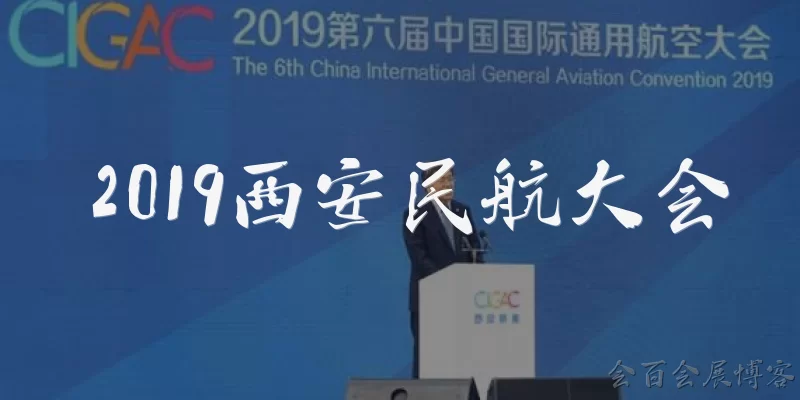
A: The 2019 Xi'an Civil Aviation Conference was a major industry event held in Xi'an, China, focusing on the development of civil aviation, particularly in the context of the Belt and Road Initiative. It brought together government officials, airline executives, airport authorities, and aviation technology providers to discuss topics such as route expansion, airport infrastructure, smart aviation, and regional connectivity. The conference highlighted Xi'an's strategic role as a gateway to western China and a key hub for international air traffic. It also served as a platform for signing cooperation agreements and announcing new initiatives aimed at boosting both passenger and cargo aviation in the region.
Q: Why was Xi'an chosen as the host city for the 2019 Civil Aviation Conference?
A: Xi'an was chosen as the host city for the 2019 Civil Aviation Conference due to its strategic location and growing importance in China's aviation network. As the capital of Shaanxi Province and a major city in western China, Xi'an serves as a critical hub for both domestic and international flights. It is also a key node in the Belt and Road Initiative, which emphasizes connectivity and trade. The city's Xianyang International Airport has been expanding rapidly, with new terminals and routes. Hosting the conference in Xi'an underscored the city's ambition to become a leading aviation center and showcased its commitment to modernizing infrastructure and enhancing global air links.
Q: What were the main themes discussed at the 2019 Xi'an Civil Aviation Conference?
A: The main themes at the 2019 Xi'an Civil Aviation Conference revolved around the future of civil aviation in China and beyond. Key discussions included the integration of smart technologies such as AI, big data, and IoT to improve airport operations and passenger experience. Another major theme was sustainable aviation, with a focus on reducing carbon emissions and adopting green practices. Participants also explored the expansion of international routes, especially under the Belt and Road Initiative, and the development of aviation logistics and cargo hubs. Additionally, the conference addressed regulatory harmonization and the need for greater cooperation among airlines, airports, and governments to ensure safe and efficient air travel.
Q: What outcomes or agreements resulted from the 2019 Xi'an Civil Aviation Conference?
A: The 2019 Xi'an Civil Aviation Conference produced several significant outcomes and agreements. Multiple Memoranda of Understanding (MoUs) were signed between Chinese and international aviation stakeholders to enhance cooperation on route development, training, and technical exchange. Airlines announced new direct flights connecting Xi'an to destinations in Europe, Southeast Asia, and Central Asia. The conference also led to commitments to invest in airport expansion and smart aviation infrastructure in western China. Furthermore, participants agreed to establish a regular dialogue mechanism to address common challenges such as airspace management and sustainability. These outcomes reinforced Xi'an's role as a rising aviation hub and contributed to the broader goals of the Belt and Road Initiative.
Words of experience
Common scenarios of "2019 Xi'an Civil Aviation Conference"
【Conference Host】 Good morning, everyone, and welcome to the 2019 Xi'an Civil Aviation Conference. I'm your host, Li Ming. Today, we gather to discuss the future of civil aviation in the Belt and Road region.
【Keynote Speaker】 Thank you, Li Ming. It's an honor to be here. This conference is a pivotal moment for aviation cooperation. We'll explore new routes, sustainable technologies, and infrastructure development.
【Airline Executive】 Absolutely. As an airline, we see immense potential in expanding connectivity between Xi'an and Central Asian cities. We're planning to increase frequencies on existing routes and add new destinations.
【Government Official】 The Chinese government supports these initiatives. We've recently signed bilateral air service agreements with several countries to facilitate growth. This will boost trade and tourism.
【Airport Director】 Xi'an Xianyang International Airport is undergoing a major expansion. By 2025, we aim to handle 70 million passengers annually. We're also investing in smart airport technologies.
【Aviation Analyst】 That's impressive. However, we must also consider environmental impacts. The industry needs to adopt more fuel-efficient aircraft and explore sustainable aviation fuels.
【Aircraft Manufacturer Rep】 We're committed to that. Our latest models reduce carbon emissions by 20%. We're also working on hybrid-electric propulsion for short-haul flights.
【Air Traffic Controller】 From an operations perspective, we need to harmonize air traffic management across borders. Seamless coordination will reduce delays and improve safety.
【Logistics Company CEO】 Air cargo is also crucial. With e-commerce booming, we need faster customs clearance and more dedicated freighters. Xi'an can become a key hub for cross-border logistics.
【Tourism Board Representative】 Tourism will benefit greatly. We're promoting Xi'an as a gateway to the Silk Road. More direct flights mean more visitors, which boosts local economies.
【Pilot】 As pilots, we appreciate investments in training and simulation. We need to keep up with new aircraft systems and ensure safety standards are maintained.
【Researcher】 Our studies show that passenger demand on Belt and Road routes will grow by 6% annually. This presents a huge opportunity for airlines and airports alike.
【Finance Expert】 Financing such expansions requires innovative models. Public-private partnerships and green bonds can attract investment while managing risks.
【Airline Executive】 We're exploring code-sharing agreements with Central Asian carriers. This allows us to offer more destinations without adding our own aircraft.
【Government Official】 We encourage such collaboration. The Belt and Road Initiative is about mutual benefit. We'll continue to streamline regulations for foreign carriers.
【Airport Director】 We're also improving ground transportation. A new high-speed rail link will connect the airport to the city center, making transfers smoother for passengers.
【Aviation Analyst】 That's a good move. But we must also address noise pollution and community impact. Engaging with local residents is key to sustainable growth.
【Aircraft Manufacturer Rep】 Our new engines are quieter and more efficient. We're also developing electric taxiing systems to reduce fuel burn on the ground.
【Conference Host】 Thank you all for these insightful discussions. It's clear that collaboration and innovation are essential. Let's continue these conversations in the breakout sessions.
【Keynote Speaker】 Indeed. I look forward to seeing the outcomes. Together, we can build a more connected, sustainable, and prosperous aviation future for the Belt and Road region.